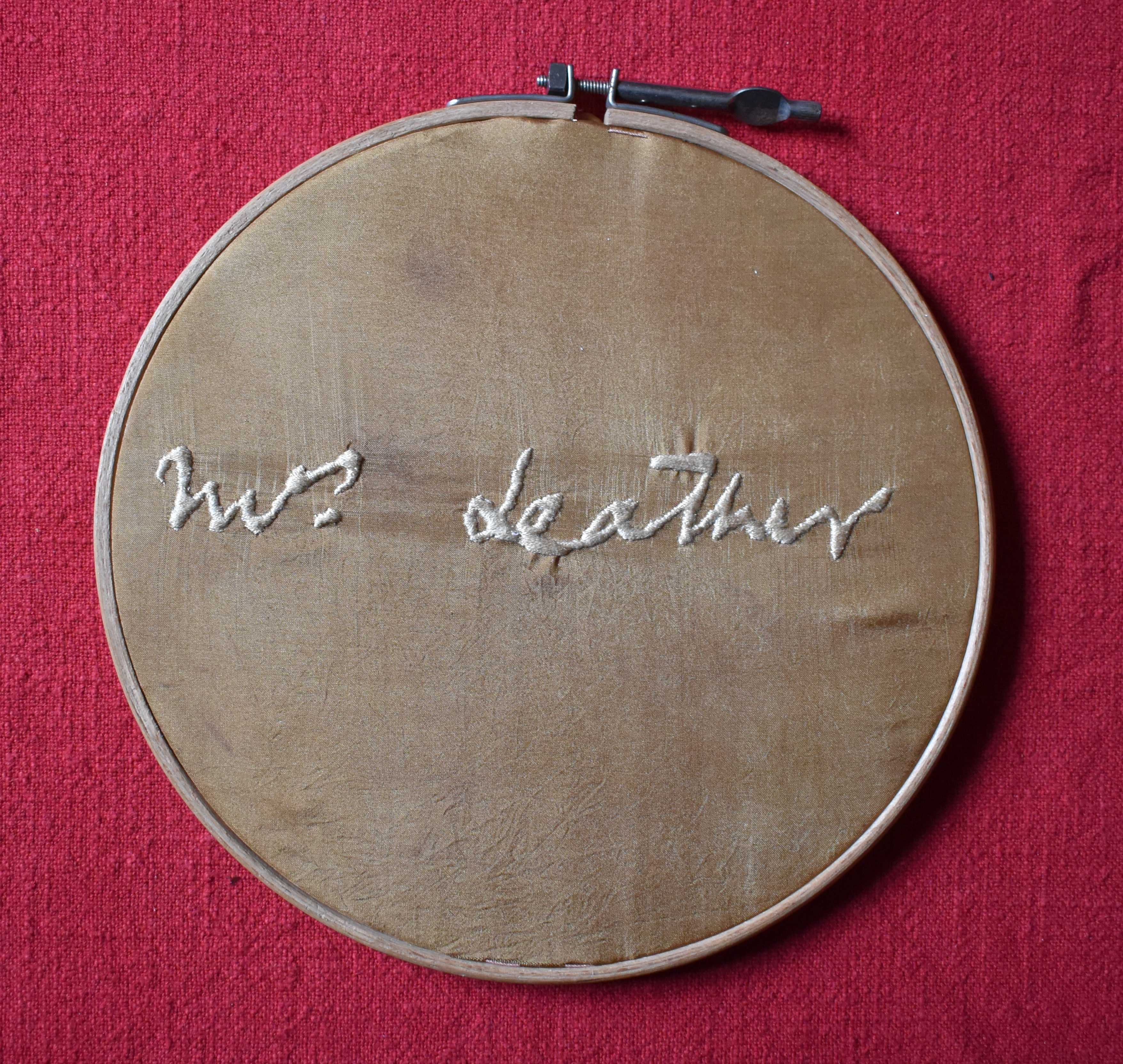
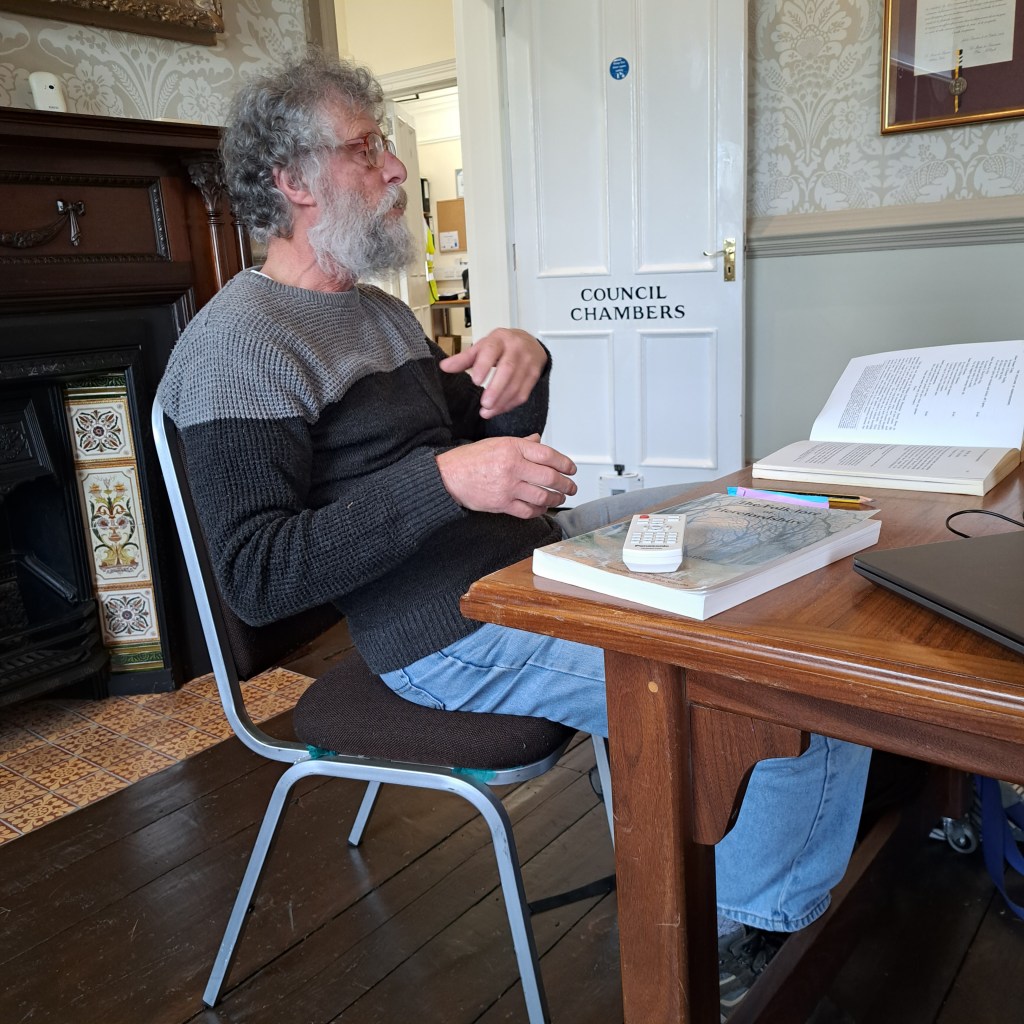
Annie and Karen invited Terry to come along to our meeting to tell us about
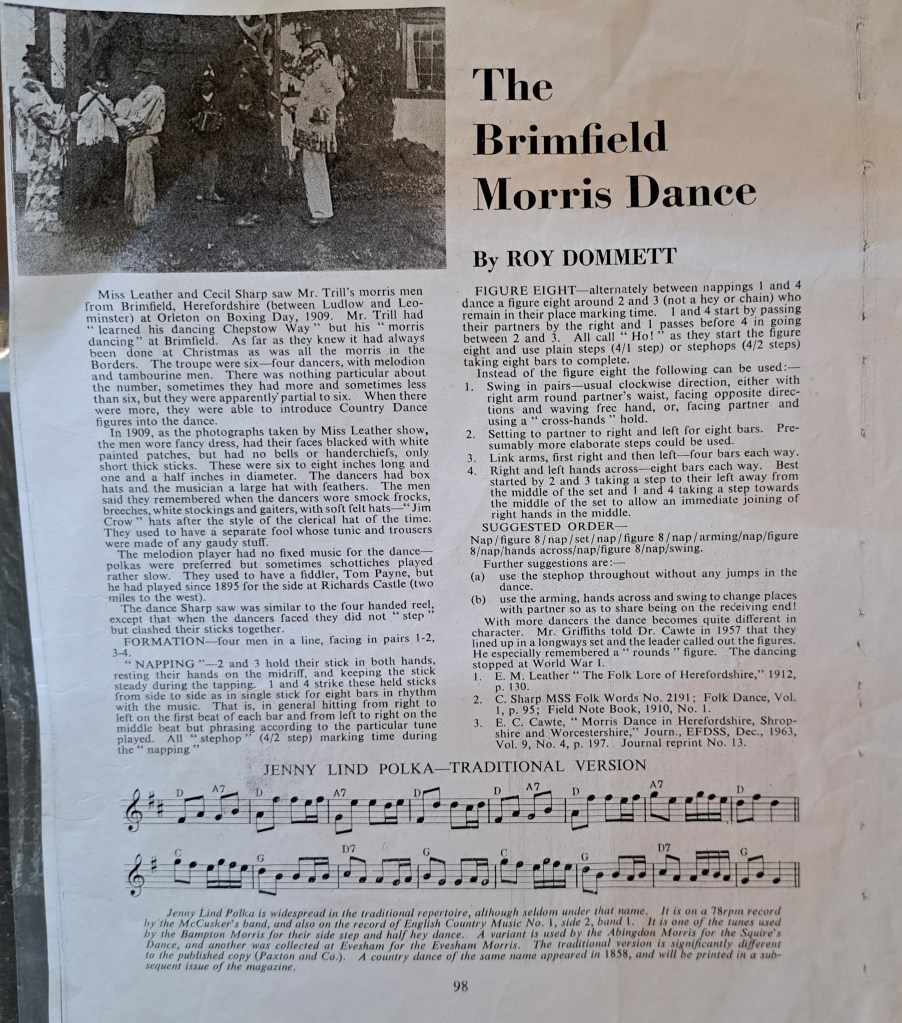
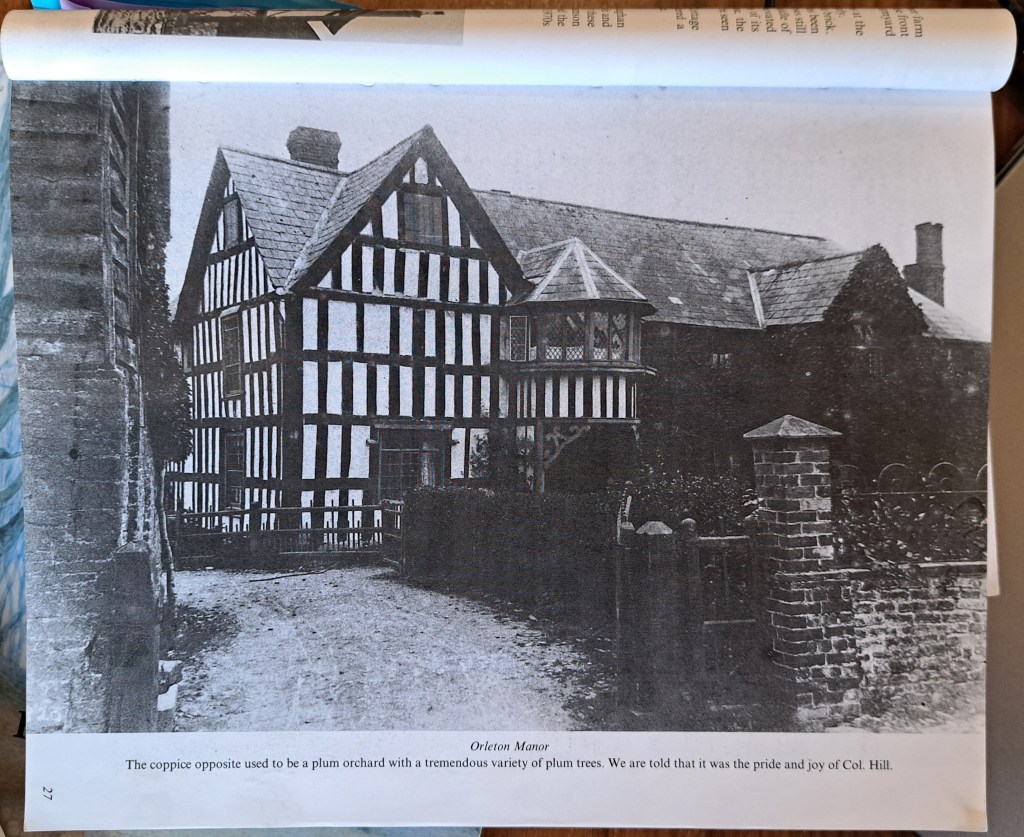
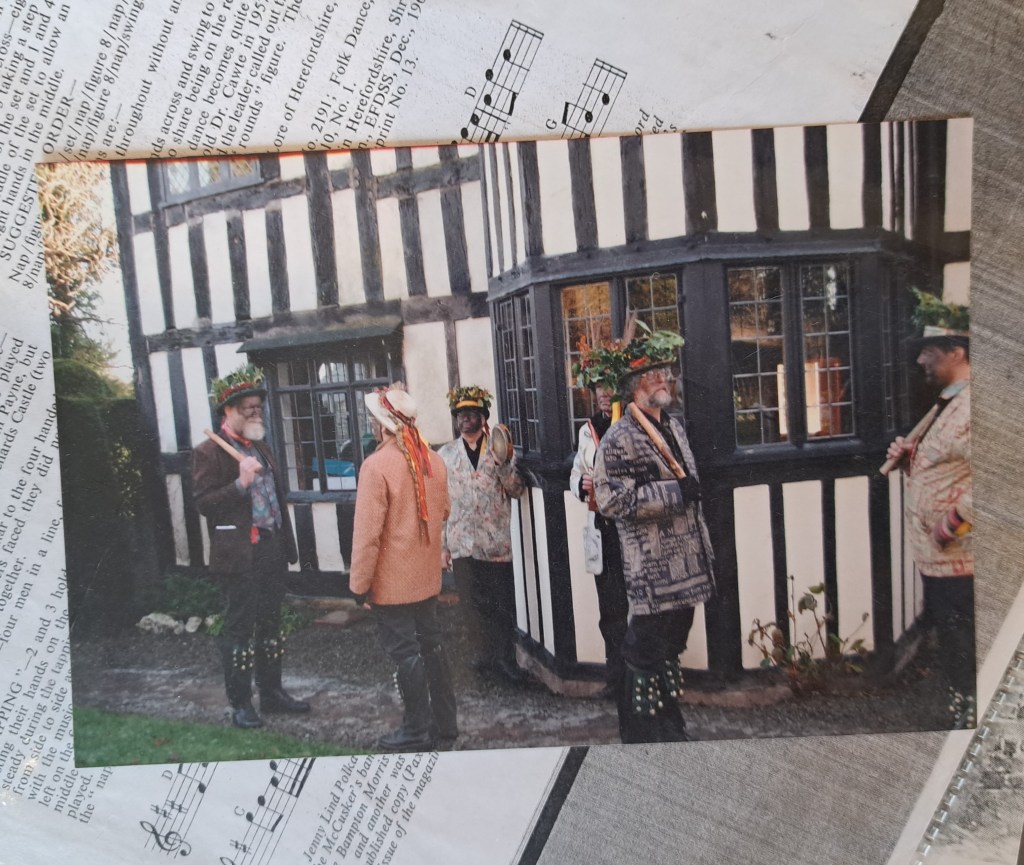
the Brimfield Morris dancers seen at Orleton on Boxing Day in 1909 , which Ella Mary Leather brought Cecil Sharp along to see. The next day John Locke, a Gipsy fiddler played local tunes for Cecil Sharp.
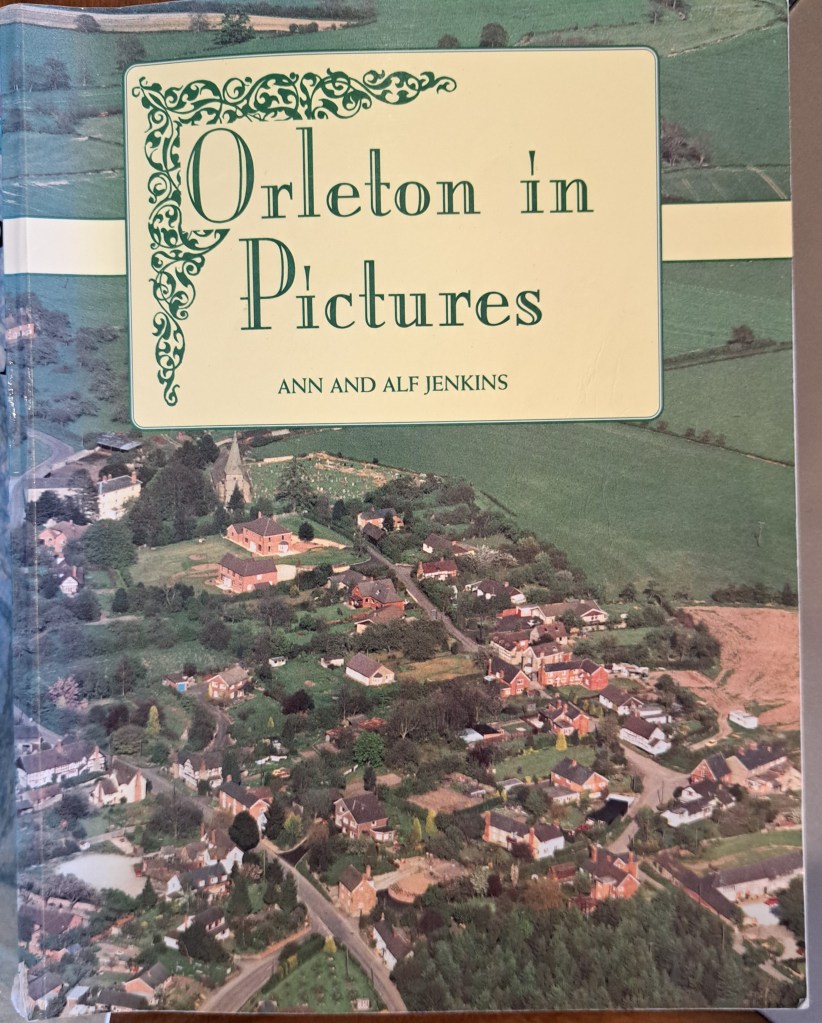
From the photos of the original event and the book Orleton in Pictures
to assist, Terry went to Orleton to try and establish the place the dance was
performed. He said that Leominster Morris still perform the Brimfield Stick
dance.
Terry described a detailed history of Morris dancing beginning with the
first record of something called the Morris, written about from 1440 in
accounts such as court records and parish records. If Morris men had danced on the Sabbath they were taken to court. Some say the term ‘Morris’ comes from Moorish dancers. In Puritan times (around 1664-65) people turned away from Morris dancing. It was resurrected when King Charles II came to the throne and a later Victorian revival.
Terry described different styles of dance such as Cotswold dancing, Clog Morris from the North-West, Northumberland processional dancing, sword dancing including long sword and rapper swords, and maypole dancing. He talked about mixed sides, Cecil Sharp tidying up the tunes and seen by some as taking dancing away from its root and losing its emotion.
Finally, Terry delighted us with a demonstration of a broom stick dance and Maggie P accompanied him by playing a tin whistle.
We went onto discuss places we are investigating, places now added to the previous list are Dilwyn, Eaton Bishop, and Bodenham.
Additional topics of discussion were Godwin tiles, Hester Clark of Leominster, Blackwork embroidery and repeated motifs, making a film, and where to purchase fabric. Maggie C also said that she planned to write some poems sparked off by the work people are doing, for example she is writing a piece inspired by Helen’s two ‘apotropaic marks’ pages for the atlas, where she created a second design from the material removed from the first design.

 The Stitched Atlas